

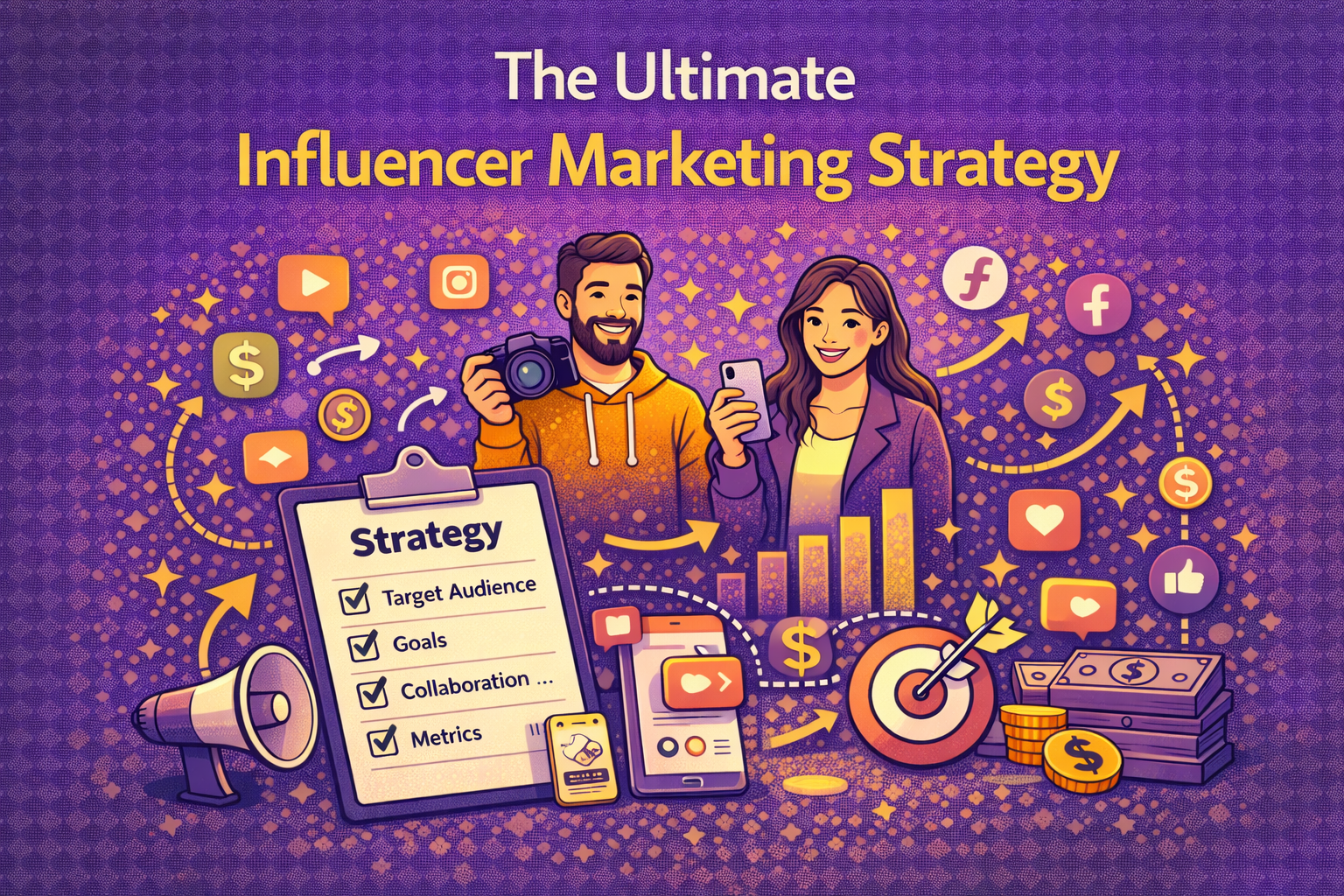
Influencer marketing does not always require large budgets or formal sponsorship agreements. One of the most effective strategies brands use today is product seeding, which involves sending products to creators so they can try them and potentially share their experience with their audience.
Unlike traditional influencer campaigns, product seeding focuses on genuine discovery rather than guaranteed promotion. Creators receive the product without strict expectations, allowing them to decide whether it fits naturally within their content.
This approach often results in more authentic recommendations because the creator’s endorsement is based on real experience rather than a scripted advertisement.
As influencer marketing continues expanding globally, strategies such as product seeding have become valuable tools for brands seeking organic exposure and community-driven promotion.
Product seeding is the practice of distributing products to selected influencers, creators, or community members in hopes that they will share their experience with their audience.
Instead of negotiating paid collaborations immediately, brands focus on building relationships and introducing their products to creators who may genuinely appreciate them.
When creators enjoy the product, they often feature it in their content voluntarily, generating organic awareness and credibility.
Because audiences recognize the difference between authentic enthusiasm and paid promotion, product seeding can sometimes create stronger engagement than traditional advertising.
The effectiveness of product seeding comes from authenticity. When creators discover products naturally, their audience often perceives the recommendation as genuine.
Research shows that consumers trust recommendations from individuals they follow more than traditional advertising messages (Nielsen, 2015).
Product seeding leverages this trust by allowing creators to speak about products in their own voice and context.
Another reason product seeding works is that it encourages experimentation. Creators can explore how a product fits into their lifestyle, which often leads to creative content ideas.
Product seeding is especially useful for brands that want to introduce a new product to the market or expand awareness within specific communities.
Common situations where product seeding works well include:
For startups and emerging brands, product seeding can also be a cost-effective entry point into influencer marketing.
A thoughtful approach is essential for product seeding campaigns to succeed. Simply sending products randomly rarely produces meaningful results.
Successful product seeding begins with choosing creators whose content aligns naturally with the brand.
Instead of focusing solely on follower counts, brands should evaluate:
Influencer Marketing Hub reports that smaller creators often generate higher engagement because their audiences feel more connected to them (Influencer Marketing Hub, 2024).
This is why nano and micro influencers often perform particularly well in product seeding campaigns.
Creators receive many collaboration requests, so personalized communication helps brands stand out.
Instead of sending generic messages, brands should explain why the product fits the creator’s content and audience.
Thoughtful outreach demonstrates respect for the creator’s work and increases the likelihood of a positive response.
Product seeding works best when creators have complete freedom to decide how and when to feature the product.
Providing basic product information is helpful, but rigid instructions often reduce authenticity.
Creators understand their audience’s preferences and can integrate products into their content in ways that feel natural.
Another advantage of product seeding is that it can provide valuable product feedback.
Creators often share honest impressions about:
This feedback can help brands improve future versions of their products or refine messaging.
Many successful influencer relationships begin with product seeding. When creators genuinely enjoy a product, they may become enthusiastic advocates for the brand.
Over time, brands can transition these relationships into structured collaborations such as:
Long-term relationships strengthen credibility because audiences repeatedly see the creator using the product.
Marketing research shows that consistent exposure across trusted sources increases brand recognition and trust (McKinsey & Company, 2020).
Unlike paid campaigns, product seeding success can be more difficult to measure directly. However, several indicators can reveal whether the strategy is working.
Brands often track:
Analytics tools help connect social mentions with measurable website activity.
Google Analytics allows marketers to track traffic sources and understand how visitors behave once they arrive on a site (Google Analytics, 2024).
These insights provide a clearer picture of how product seeding contributes to brand growth.
Even when products are gifted without payment, influencers may still need to disclose that the product was provided by the brand.
The Federal Trade Commission recommends that influencers clearly disclose material connections with brands to maintain transparency with their audience (FTC, 2023).
Transparency protects both brands and creators while preserving audience trust.
As influencer marketing becomes more competitive, product seeding is likely to remain a key strategy for brands seeking authentic exposure.
Consumers increasingly value genuine recommendations over polished advertising campaigns. Product seeding allows creators to discover products organically and share their experiences in ways that feel natural.
Brands that approach product seeding thoughtfully can build lasting relationships with creators and communities.
Product seeding is one of the most effective ways to introduce products into the influencer ecosystem without relying on traditional advertising.
By sending products to creators who genuinely align with the brand, companies can generate authentic recommendations and meaningful engagement.
When combined with strong relationships and thoughtful outreach, product seeding becomes a powerful long-term influencer marketing strategy.
Identify a group of creators who already produce content related to your industry and consider sending them your product with a personalized message.
Focus on building relationships rather than immediate promotion.
If this guide helped you understand product seeding strategies, share it with your team, leave a comment with questions, or subscribe for more insights into influencer marketing.
References
Federal Trade Commission. (2023). Disclosures101 for social media influencers.
https://www.ftc.gov/business-guidance/resources/disclosures-101-social-media-influencers
Google Analytics. (2024). UTM parametersand campaign tracking.
https://support.google.com/analytics/answer/1033867
Influencer Marketing Hub. (2024). Influencermarketing benchmark report.
https://influencermarketinghub.com/influencer-marketing-benchmark-report/
McKinsey & Company. (2020). Theimportance of brand consistency.
https://www.mckinsey.com/capabilities/growth-marketing-and-sales/our-insights/the-importance-of-brand-consistency
Nielsen. (2015). Global trust inadvertising report.
https://www.nielsen.com/insights/2015/global-trust-in-advertising-report/